About VASE — The Vision, The History, The Founders, The Timeline
The History of VASE is an ongoing project. If you see anything that is incorrect or incomplete and have insights you would like to share, please direct any feedback to . We would love to make this as complete and accurate as possible, and your input is definitely valued.
The Vision
The Visual Arts Scholastic Event (VASE) exists because a relentless, collaborative art community developed it, nurtured it, and refused to let it fail. This historic breakthrough was never the work of a single person. Instead, it took the collective synergy, raw passion, and unwavering commitment of a dedicated team to permanently revolutionize visual arts education for thousands of students and teachers across Texas. VASE could not function without jurors, state staff, workers, presenters, the TAEA Headquarters support team, and teachers who stand on the shoulders of those first "fire in the belly" can-do visionaries who would not take no for an answer!
The History
1966 — Seeds of the Idea
Dr. Jim Henderson and Dr. Bill Lockhart (Texas Tech University, Charter Member of the Distinguished Fellows) began some of the original discussions regarding a state high school student art competition that would provide students the opportunity to grow artistically and be recognized for their work. Dr. Henderson was influential in continuing these discussions and providing a strong voice for art students in Texas.
1980 — TAEA Discussions
Texas Art Education Association members serving on the Council at Large, continued the discussions regarding a culminating academic event that would afford Texas high school art students the opportunity to benefit from master artist workshops, exhibit their work, self-critique, be juried by professional artists, have their work measured against an established standardized rubric, letter in the visual arts, and be recognized for their talent. This event was also to be designed to provide art teachers with professional development and collaboration with other Texas art teachers, thus increasing the level of teaching and learning in art rooms across Texas.
Much debate regarding the philosophy of an event of this kind for visual arts occurred over time in the Council at Large meetings and included the investigation of the value of University Interscholastic League (UIL) participation for the visual arts. Since UIL was so prevalent in other academic areas such as drama, debate, band, orchestra, and sports, it was felt that perhaps visual arts could also benefit. An Ad Hoc committee was approved with Dr. Jim Henderson appointed as chairman.
1990 — Creating the Event
Houston Area Art Supervisors (HAAS) felt strongly about providing an event of this type, drafting some of the underpinnings of the proposed event. Dr. Tina Farrell, (Distinguished Fellow) presented the concept and prospectus. There was much spirited debate as an event of this nature had never been attempted before. Dr. Cindy Broderick requested a motion for approval by the Council at Large to conduct a pilot in the Houston area and present the findings to Council at Large the following fall. This would provide TAEA with the framework on how such a program might work in art. Under the leadership of the TAEA President, Dr. Cindy Broderick, the Council at Large passed a motion for the pilot for VASE in 1990.
Immediately following the passing of the VASE Pilot by CAL, in November of 1990, with input from art educators across the state, music directors including Ben Gollehan, Goose Creek ISD Director of Fine Arts, who had conducted UIL events, the policies and procedures were developed.
The criteria for this pilot were that it would be aligned to the vision of TAEA, the guiding principles of excellence in art, and be positive for students, teachers, and art programs in Texas. Each Art Supervisor took on various responsibilities to develop these criteria. This vision was of primary importance, and this vision continues to influence the overall program even today.
Related: TAEA Members Involved in Early Development
Foundational Elements of the Pilot
The Rubric — A standardized rubric with which to measure students' work including both written and oral responses from students. Related: Criteria and Development of the Rubric
Divisions — Divisions that allowed for and recognized the varying experiences and levels of students' artistic development. Related: Establishment of Divisions
The Jurors — Highly trained and qualified visual art judges were critical to the success of this program. Related: Juror Training
The Interview — Eight-minute interviews for each student allowing the student to discuss the elements of their work and their artistic expression. Related: Scheduling and Interview Process
Certificates and Medals for Recognition — Student recognition was the basis for this portion of the event. Related: Recognizing and Honoring Achievement
1992 — The University Interscholastic League Discussions
Following the success of a two-year pilot program in the Houston area, participating teachers expressed a strong desire to establish an official University Interscholastic League (UIL) visual arts event. On Thursday, November 8, 1992, Dr. Tina Farrell presented the pilot's survey results and comments to the Council at Large (CAL). Consequently, UIL approved a new three-year visual arts pilot program, with the Texas Art Education Association (TAEA) slated to review the final results.
The primary goal of this initiative was to secure the same statewide recognition for art students, teachers, and programs that theater, music, and athletics already enjoyed. However, during developmental discussions in Austin, TAEA leadership — including Sara Chapman, Dr. Tina Farrell, and Gloria McCoy — discovered critical misalignments between UIL requirements and TAEA's core values. Furthermore, under UIL structure, all event revenues and finances would fall under UIL control, exposing the program to potential fee increases.
Because of these conflicts, the Ad Hoc UIL Visual Arts Committee recommended that TAEA establish and independently direct its own statewide student event. To emphasize the academic rigor of the program, the committee chose the acronym VASE, officially replacing the UIL pilot title with the TAEA Visual Arts Scholastic Event. The fundamental structure of the competition has remained unchanged since its inception.
The committee ultimately rejected UIL governance based on three structural contradictions:
- School Classification: UIL divides high school competitions by school size (e.g., 2A vs. 5A). In contrast, TAEA believes that any art department can be equally strong, regardless of school size.
- Student Division by Ability: UIL would force Art I beginners to compete against Advanced Placement (AP) and advanced students. TAEA believes students should compete against peers with similar artistic maturity and skill levels.
- Prize Restrictions: Visual arts students would fall under rigid UIL athletic regulations, which strictly prohibit students from receiving art supplies or materials as awards.
Recent VASE Program Developments
The "VASE Needs a Face" campaign was established in 1998 by Dr. Tina Farrell encouraging student artists to submit logo designs to represent the VASE program. The first VASE logo was chosen; it now represents High School VASE, while Junior VASE and TEAM have their own logos, also designed by students.

In 2018, VASE was restructured to give all four parts of VASE (TEAM, Junior VASE, High School VASE, and the State VASE Event) equal status under TAEA, and the current overall VASE Logo was developed. It now represents over 55,000 student entries, serving pre-K through grade 12 students across Texas.
The 1996 State Event under the direction of Dr. Farrell saw the addition of cash scholarships; $2,000 in scholarships were awarded to art students in each division at the state event that year. By 2026, the total State VASE scholarship amount has grown to over $20,000.
In 2019-2020, the State Directors of VASE began work with the TAEA webmaster on the first ideas leading to the development of the Teacher Dashboard, where teachers could upload artwork photos, references, and fill out Online Intent Forms. This was initially intended to streamline in-person events.
In 2020, in-person High School VASE Events piloted these new changes, finishing all events before school was cancelled statewide due to COVID. Unfortunately, Junior VASE and TEAM events scheduled after mid-March were cancelled, as well as the in-person State High School VASE Event.
Despite these challenges, Regional High School Directors pitched in and photographed all their State Qualifying Artworks, uploaded them, and the first Virtual Event was held, with State Jurors giving ratings and choosing Gold Seal artworks online. By 2021, all Regional VASE Program events had uploads in place so that no event would have to be cancelled again.
TEAM State & Regional Directors and Teachers made the decision in 2021 to move to Virtual-Only events. Only jurors and a few event workers were coming together to adjudicate artwork at TEAM events; no students were ever present. TEAM events remain Virtual today.
Meet the Founding Vase Directors
The First VASE Director (VASE Pilots, Spring Branch ISD, Texas)
Gloria McCoy — 1990-1993
Gloria McCoy volunteered as the director of the VASE pilot program in Spring Branch ISD (Houston, Texas), where she helped develop many of its original processes and procedures. Under her leadership, the pilot event successfully served approximately 200 students in the Houston area.
Related: Summary of the Pilot
First State Event Site Director
Dr. Jim Henderson — 1994-1999
The Father of VASE
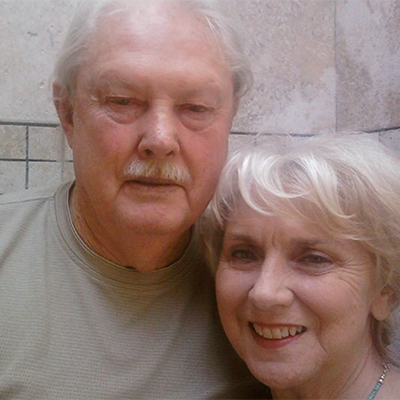
Dr. Henderson's legacy to Texas art students is his dedication in helping create the TAEA Visual Art Scholastic. Beginning with "fireside" discussions with TAEA leaders in 1966, Dr. Henderson relentlessly pursued the development and support of a ground-breaking event for visual art students in Texas. He taught Art Education, Art History, and Cultural Studies at UT Arlington. He was a visionary leader bringing his passion and ideas forward. He facilitated the very first location (the University of Texas, Arlington) for the pilot statewide VASE event. Dr. Jim Henderson served as the Site Director and ran the war room. The first state event had 200 student participants. Dr. Henderson served as the Site Director of VASE from 1994-99 and is recognized as the "Founding Father of VASE" because of his career-long pursuit of a program for high school visual arts students. A VASE scholarship in his name was established by his wife Lee, providing countless recognitions and support for art students in Texas.
First State VASE Program Director
Dr. Tina Farrell — 1992-2002
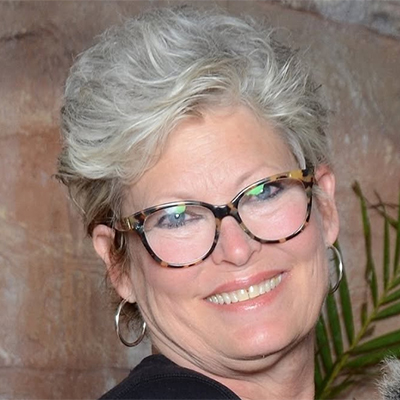
Tina Farrell accepted the volunteer position of State VASE Director to continue to pursue the expansion of VASE to all regions in Texas. Alongside Dr. Henderson, as State Site Director, processes were examined and improved. Workshops, meetings, and training continued as Regional Directors and events were added across the state. She traveled to regions across the state, meeting with art teachers, supervisors, and sometimes, Superintendents, to bring the great opportunities provided by VASE to their students. She was instrumental in garnering a "home for VASE" through a NO FEE contract for 10 years at the University of Houston - Clear Lake.
Related: Timeline of Improvements Developed during Dr. Farrell's Tenure
First Appointed State VASE Program Director
Joey Doyle — 2002-2014

Joey Doyle, Aldine ISD Coordinator for Visual Arts, was appointed the State VASE Director in 2002. He made many improvements to the processes and procedures of Regional VASE Events. For the State VASE Event, Joey partnered with other organizations to increase opportunities and participation. He facilitated a grant from the City of Seabrook, which provided much-needed supplies for the event. Workshops, art supplies for workshops, and technical support for the state event were made possible through a $6,092 grant from the Texas Commission on the Arts, and a donation of $5,000.00 from Rohm and Haas of Houston. The State Workshops Chair, Cheryl Evans, contacted Rohm and Haas to help fund the state workshops and they were happy to help.
Related: Timeline of Improvements to the State VASE Event during Joey Doyle's Tenure
From 2011-2014, VASE continued to grow under Joey's leadership. He had the heart of a "warrior for art". He secured locations and transported artworks for the traveling VASE Gold Seal exhibition. Joey developed the first manual to guide Regional Directors, which provides uniform guidance for all VASE Program Events across Texas. This guidance is provided on the VASE website as a set of Resources for Regional Directors and VASE Teachers.
Past State Directors of VASE
High School VASE

Chris Cooper
2018 - Present
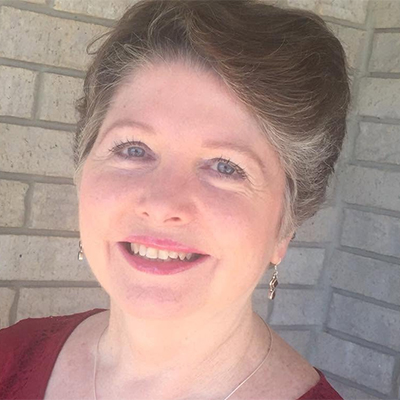 Linda Fleetwood
2014 - 2017
Supervised All VASE Levels
Joey Doyle
2002 - 2014
Supervised All VASE Levels
Tina Farrell
1992 - 2002
Junior VASE

Amy Semifero
2026 - Present
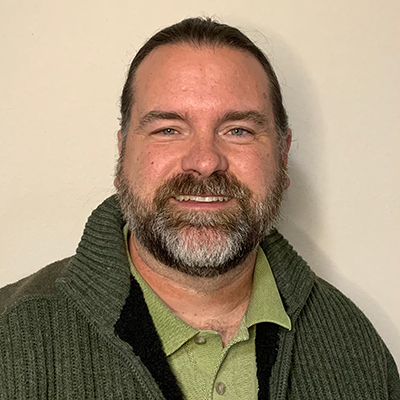 Larry West
2023 - 2026
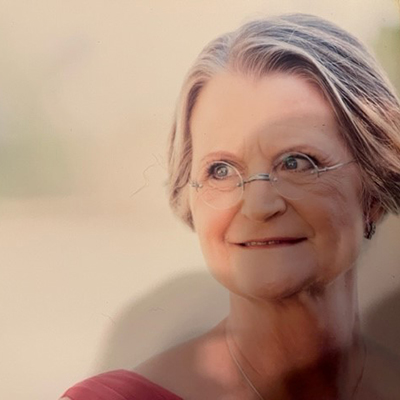
Suzy Greene
2011 - 2022
Joey Doyle
2001 - 2010
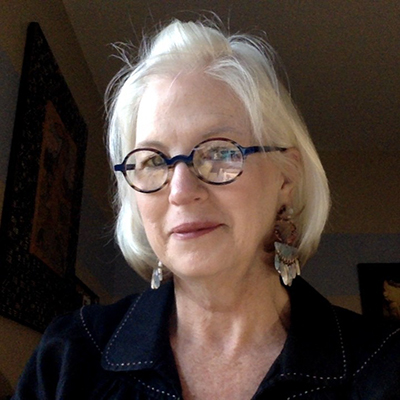
Cappie Dobyns
1999 - 2000
TEAM
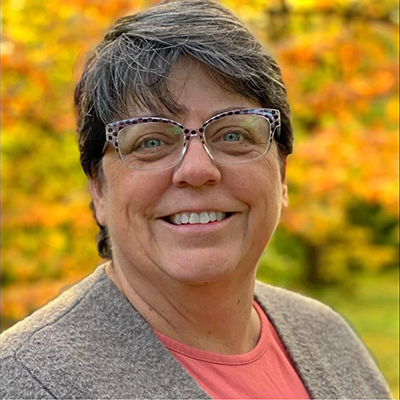
Tracey Hall
2021 - Present
 Mary Tavares
2018 - 2020

Gloria McCoy
Years Needed
State VASE Event
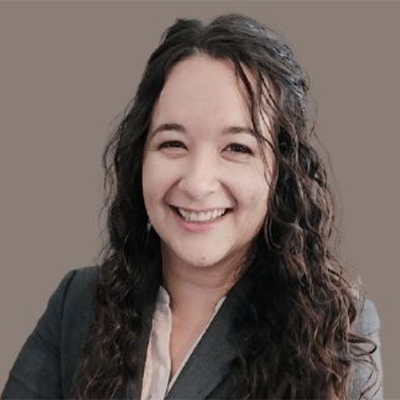
Mikaela Bachmann
2026 - Present
Amy Semifero
2023 - 2026

Sarah Pagona
2021 - 2022
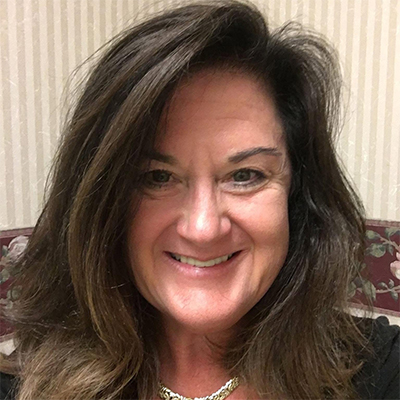
Karri Clark
2018 - 2020
In 2019-2020, the State Directors of VASE began work with the TAEA webmaster on the first ideas leading to the development of the Teacher Dashboard, where teachers could upload artwork photos, references, and fill out Online Intent Forms. This was initially intended to streamline in-person events.
In 2020, in-person High School VASE Events piloted these new changes, finishing all events before school was cancelled statewide due to COVID. Unfortunately, Junior VASE and TEAM events scheduled after mid-March were cancelled, as well as the in-person State High School VASE Event.
Despite these challenges, Regional High School Directors pitched in and photographed all their State Qualifying Artworks, uploaded them, and the first Virtual Event was held, with State Jurors giving ratings and choosing Gold Seal artworks online. By 2021, all Regional VASE Program events had uploads in place so that no event would have to be cancelled again.
TEAM State & Regional Directors and Teachers made the decision in 2021 to move to Virtual-Only events. Only jurors and a few event workers were coming together to adjudicate artwork at TEAM events; no students were ever present. TEAM events remain Virtual today.
Highlights from 2025-2026 Student Programs
Click any image to see more information about the artwork.